
In today's fast-paced logistics industry, efficiency isn't just a nice-to-have—it's a competitive necessity. Whether you're managing a fleet of delivery vehicles, running a courier service, or handling last-mile logistics, every second counts. Route optimisation has emerged as the game-changer that separates industry leaders from the rest. It's not just about saving time; it's about transforming how logistics operations work at every level.
What is Route Optimisation and Why It Matters
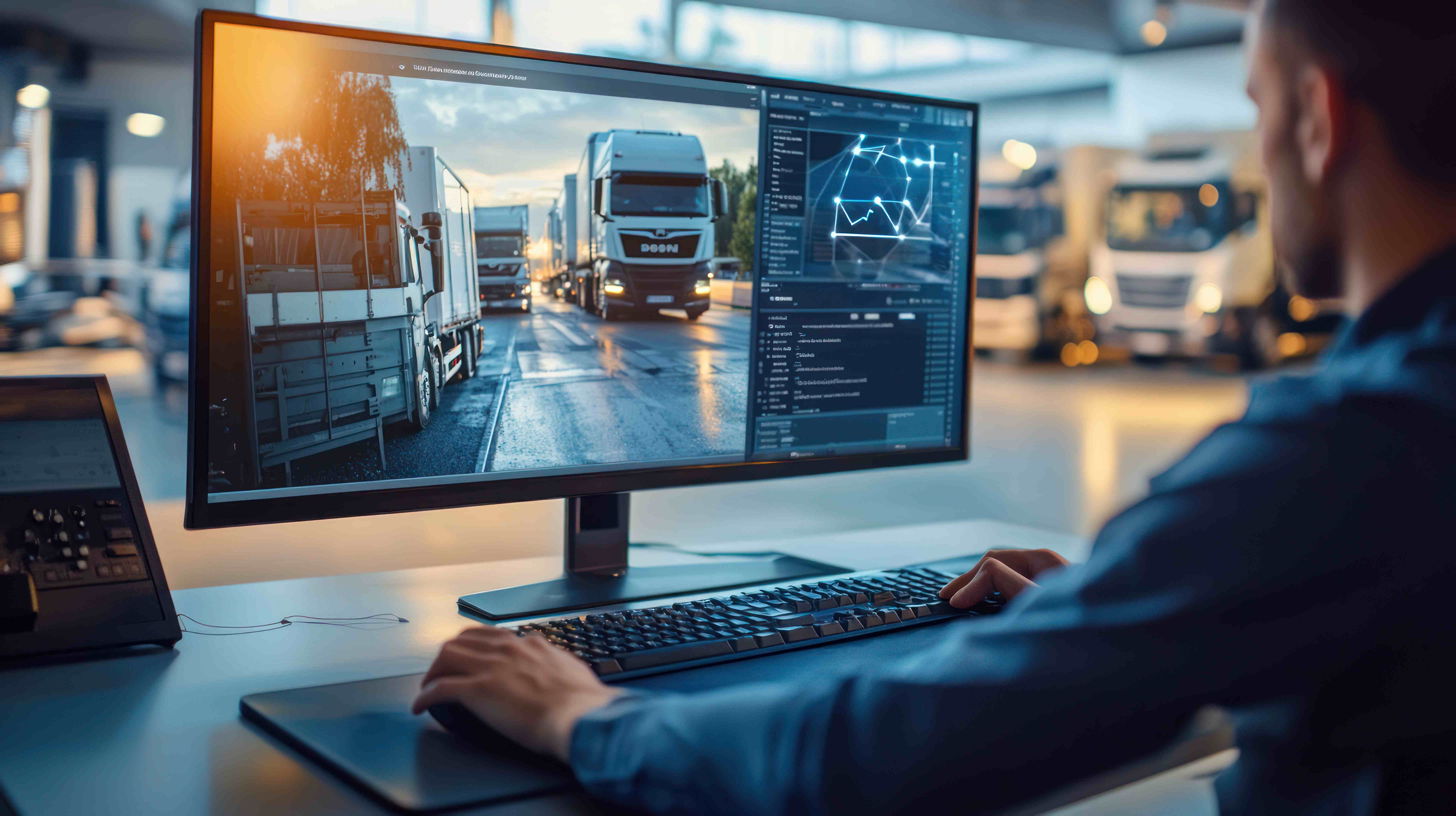
Route optimisation is the process of planning and executing the most efficient delivery routes using advanced algorithms and real-time data. Instead of relying on driver experience or manual planning, optimisation software like Routed analyzes dozens of variables—traffic patterns, delivery windows, vehicle capacity, customer locations, and more—to determine the fastest, most cost-effective routes.
The impact is measurable and significant. Companies implementing route optimisation typically see:
- 15-30% reduction in fuel costs
- 20-40% fewer km's / miles driven
- Increased number of deliveries per vehicle per day
- Improved on-time delivery rates
- Enhanced customer satisfaction
- Reduced operational complexity
The True Cost of Inefficient Routing
Many logistics operations still rely on manual route planning or basic GPS routing—approaches that leave significant money on the table. Consider the costs:
- Fuel waste: Inefficient routes burn unnecessary fuel—potentially thousands of dollars annually per vehicle
- Vehicle wear: Extra km's / miles mean faster depreciation and higher maintenance costs
- Labor inefficiency: Drivers spend more time on the road, reducing the number of deliveries completed
- Missed opportunities: Unable to accommodate rush deliveries or service more customers
- Environmental impact: Unnecessary emissions damage your company's sustainability credentials
For a fleet of just 10 vehicles, these inefficiencies can cost tens of thousands of dollars annually.
How Route Optimisation Works
Modern route optimisation software uses sophisticated algorithms—often powered by artificial intelligence and machine learning—to solve what's known as the Vehicle Routing Problem. Here's the basic process:
- Data collection: Input all stops, addresses, delivery windows, vehicle capacity, and constraints
- Analysis: The algorithm analyzes traffic patterns, real-time conditions, and historical data
- Optimisation: It evaluates millions of possible route combinations to find the most efficient solution
- Dynamic adjustment: Routes adjust in real-time based on traffic, delays, or new deliveries
- Driver guidance: Drivers receive turn-by-turn directions optimised for their route
The best solutions consider not just distance, but also vehicle weight distribution, time windows, driver breaks, and customer preferences—factors that manual planning often overlooks.
Real-World Impact on Logistics Operations
Companies across the logistics sector have witnessed dramatic improvements after implementing route optimisation:
Courier services: A mid-sized courier operation with 50 drivers can complete an additional 10-15% more deliveries daily without hiring additional staff. That's equivalent to adding 5-7 vehicles to the fleet without the capital investment.
Last-mile delivery: Ecommerce fulfillment operations report 25-35% reductions in delivery costs, directly improving profit margins on every order.
Food and beverage distribution: Route optimisation ensures products arrive within critical temperature windows while minimising spoilage and waste.
Field service operations: Technicians spend less time driving and more time serving customers, increasing billable hours and customer satisfaction.
Key Benefits Beyond Cost Savings
While fuel and labor cost savings are significant, route optimisation delivers benefits that impact the entire organization:
- Customer experience: Accurate delivery windows and on-time performance build trust and loyalty
- Driver satisfaction: More predictable routes and fewer hours on the road reduce driver fatigue and turnover
- Scalability: Handle growth without proportionally increasing operational complexity
- Compliance: Track deliveries, hours of service, and regulatory requirements automatically
- Competitive advantage: Offer same-day or faster delivery options that competitors can't match
- Data visibility: Real-time tracking provides insights into performance and operational bottlenecks
Overcoming Common Implementation Challenges
Driver adoption: Some drivers resist change, preferring their familiar routes. Success requires clear communication about benefits and proper training.
Data quality: Optimisation is only as good as the data input. Ensure accurate address databases and real-time traffic integration.
Complex constraints: Some operations have unique requirements (restricted zones, specific vehicle types, time windows). Modern software handles these, but configuration is critical.
Integration with existing systems: Choose solutions that integrate with your TMS, CRM, and accounting systems to avoid duplicate data entry.
The Future of Route Optimisation
Route optimisation continues to evolve. Emerging technologies include:
- AI and machine learning: Increasingly sophisticated algorithms that learn from historical data
- Autonomous vehicles: Routing optimisation will be critical for fleet autonomy
- Sustainability focus: Optimization for carbon footprint, not just cost
- Real-time dynamic routing: Responding instantly to traffic, weather, and demand changes
- Predictive analytics: Anticipating demand and pre-positioning inventory
Companies that adopt these technologies early will have significant competitive advantages in the coming years.
Getting Started with Route Optimisation
If your operation isn't yet optimised, the time to act is now. Start by:
- Assessing your current routing challenges and cost structure
- Evaluating solutions designed for your specific operation type
- Starting with a pilot program on a subset of routes
- Training drivers and dispatchers on new tools
- Measuring improvements and optimizing configurations
- Scaling success across your full operation
The investment in route optimisation typically pays for itself within months through fuel savings alone—with additional benefits accumulating over time.
Conclusion
Route optimisation isn't a luxury feature for large enterprises anymore—it's essential infrastructure for any logistics operation competing in today's market. The combination of cost savings, improved customer service, and operational efficiency makes it one of the highest-ROI investments logistics companies can make. To understand the financial impact, read about why manual route planning costs you money.
Whether you're a solo courier or managing a fleet of hundreds, route optimisation unlocks efficiency that was previously impossible to achieve. The question isn't whether to implement it, but how quickly you can get started.